
Quick answer
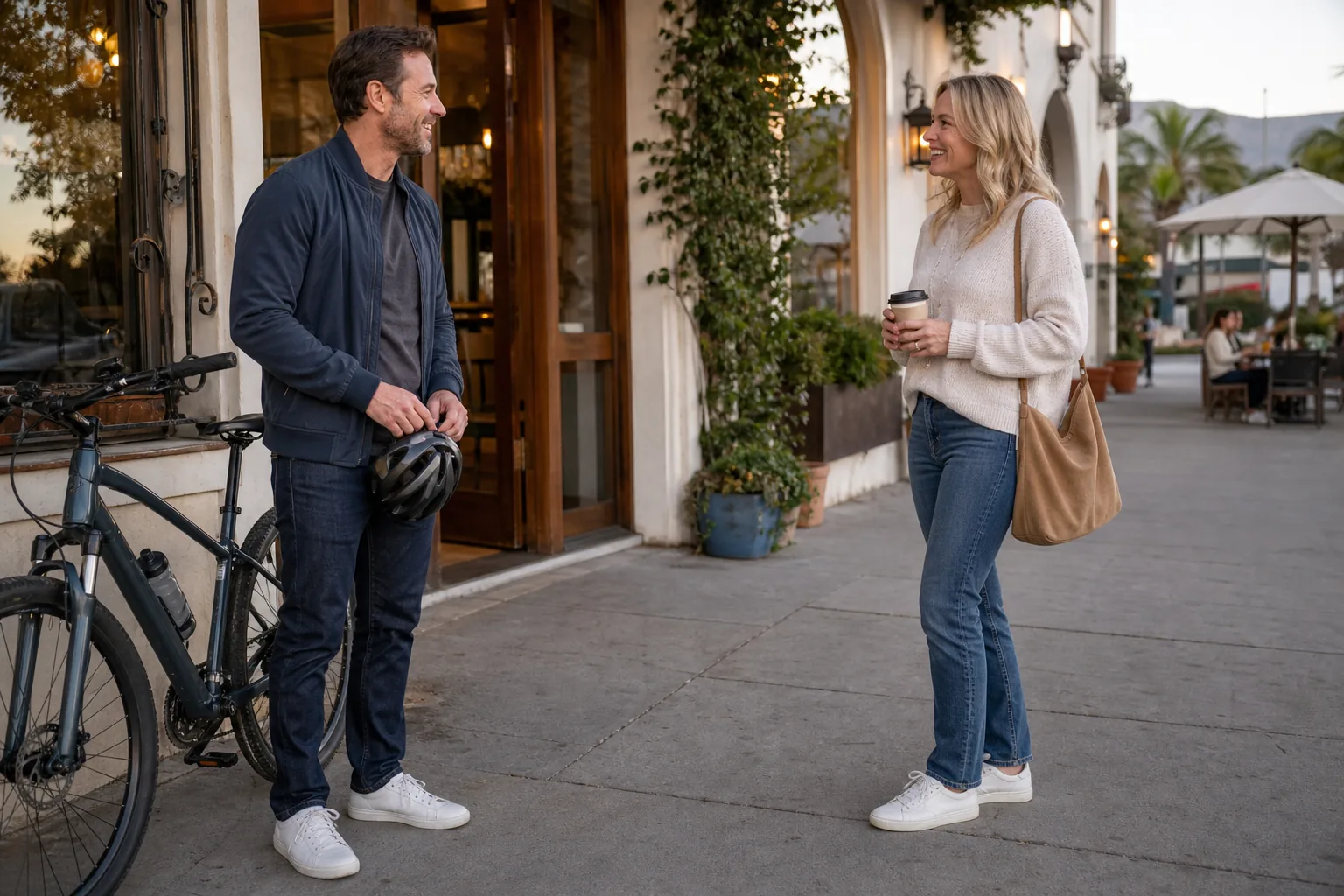
A natural first-date privacy plan uses a public place, independent transportation, a defined time range, and limited personal details. The plan should feel like a normal invitation while quietly protecting both people.
California adds local complications. A short distance may hide traffic, transit transfers, parking, heat, fog, or a late return. Check the route before the chemistry.
Choose a venue that supports conversation and an exit
A public cafe, garden, museum, market, or well-used walking route can work. The exact choice matters less than visibility, simple arrival, and the ability to leave without entering another person’s car or home.
Keep the first activity short. Sixty to ninety minutes gives the meeting shape. If both people want more time, add a nearby walk or second stop. A full-day plan can create pressure before either person knows how the conversation feels.
Check the local conditions
- Los Angeles and South Bay plans need realistic traffic timing.
- San Francisco routes need a hill, fog, and last-connection check.
- Sacramento and Fresno plans need heat-aware timing in summer.
- Coastal plans need a layer and an indoor alternative.
A Los Angeles invitation
“Would Saturday at three near Exposition Park work? I can meet you at the museum entrance, and we can decide about coffee afterward.” The time, entrance, and optional second stop are all clear.
A Bay Area invitation
“I can get to the Embarcadero without a transfer. Would an hour of coffee near the station work before your return train?” This sounds practical because local dating often is practical.
Confirm enough identity without collecting a dossier
A brief video call can confirm that the person resembles their profile and can hold a normal conversation. It does not guarantee safety or character. Keep a healthy boundary around employer, exact address, financial information, and identification documents.
Look for consistency. Names, city area, relationship intention, and basic life details should not keep changing. A person who refuses every reasonable question while asking for private details creates an uneven exchange.
Keep your own route home
Arrive independently and keep control of your return. If driving, meet at the venue instead of accepting a home pickup. If using transit, check the final reliable connection before the date starts. A backup ride budget can reduce pressure to stay.
| Plan type | Before you leave | Exit option |
|---|---|---|
| Cafe | Confirm the exact location and closing time | Finish after one drink |
| Walking route | Check distance, lighting, terrain, and weather | Set a turnaround point |
| Museum or market | Choose one entrance and meeting spot | Leave after one section |
| Evening meal | Keep your own transportation | Decline another location |
Share personal details in layers
A broad neighborhood, general work field, and first name are often enough before meeting. Exact routines can wait. Avoid posting a home exterior, building entrance, work badge, vehicle plate, or the same daily location across multiple photos.
Health information deserves its own private moment. You can choose whether that happens before or after the first date. A safety plan does not require you to place HSV details in a public profile.
Boundaries that still sound warm
Before the meeting
“I am in the East Bay and work in healthcare. I keep my employer private until I know someone better, but I am happy to tell you what I enjoy about the work.”
When the plan changes
“I would like to keep the first date in public, so I am going to head home from here. I had a good time, and I would be open to planning another day.” A boundary can carry interest and still remain firm.
Notice how the person handles small boundaries
The first date offers useful information beyond attraction. Does the person accept your venue choice, a no to alcohol, or a plan to leave on time? Respect for ordinary boundaries supports the later conversations that relationships need.
If a person pushes for your address, insists on driving you, or tries to move the meeting somewhere private, restate the boundary once. You can leave without negotiating.
Close the loop after the meeting
Send a trusted person a brief message that you are home when you used a check-in plan. Then decide what you actually felt. Attraction, comfort, curiosity, and respect are separate questions. A pleasant date does not obligate a second one.
If you want another meeting, suggest one concrete next step. If you do not, a short clear message is kinder than leaving the other person to interpret silence.
California residents can use 211 California to locate local community and support resources. Immediate danger belongs with local emergency services.
Include weather and accessibility before the day of the date
California conditions vary enough that a generic outdoor plan can fail. Ask about walking distance, hills, shade, seating, restroom access, noise, and temperature. These questions support disability access and also help anyone dealing with pain, fatigue, heat sensitivity, or a long workday.
A backup plan should be close and simple. Moving from a garden to a nearby cafe is easier than replacing the entire date across town. Share the change before the other person starts traveling whenever possible.
Keep the question ordinary
“Would a level route with places to sit work for you?” is direct and respectful. The person can describe what they need without providing a diagnosis. Accessibility information belongs in the plan, not as a test of whether someone is easygoing.
Reduce the digital trail before meeting
Review what a stranger can learn from your profile photos and username. The same photo used on professional or public social accounts may connect a dating profile to an employer or full name. A home window view, work badge, vehicle plate, or repeated gym location can reveal more than the caption.
Use the platform’s message system until another contact method feels appropriate. If you move to text, consider what your messaging profile reveals. Never send account codes, financial information, identification documents, or intimate images because a new person creates urgency.
Let a good date remain a first date
Strong chemistry can tempt people to abandon the plan that helped them feel safe. You can enjoy the connection and still leave at the agreed time. A second date is a better signal of interest than an impulsive change that crosses a boundary.
If HSV has not been discussed, decide when a private conversation would fit before physical intimacy becomes likely. A message after the date can acknowledge interest and set the next step. “I had a good time and would like to meet again. There is a health conversation I want us to have before things become more physical.”
Use a short review instead of replaying every sentence
Ask four questions after you are home. Did the person match their basic profile information? Did they respect timing and physical boundaries? Did conversation feel mutual? Do you want to spend another hour together? Clear questions help separate normal first-date nerves from behavior that deserves attention.
Create a second-date plan from what you learned
A second date can be slightly longer while keeping the same privacy foundation. Choose a venue that supports a shared interest and gives both people independent transportation. If one person handled the longer trip first, move the next plan closer to them.
Decide whether a private health conversation may become relevant before the meeting. Planning the moment does not make it clinical. It prevents the topic from arriving when alcohol, travel cost, or physical intimacy makes a free decision harder.
Keep the positive signs concrete
Look for follow-through, curiosity, and respect. A charming story or strong attraction can be real, but it does not replace consistent behavior. The second date should confirm that both people can plan together and accept a boundary without turning it into conflict.
Adjust the plan for day, night, and neighborhood
A venue that feels comfortable at noon may feel isolated after closing. Check the block, lighting, business hours, and return route for the actual meeting time. In busy California districts, parking rules and garage closing times can also change the exit plan.
Meet at one exact entrance. Large parks, markets, museums, and transit stations often have several. A clear landmark that does not reveal private information prevents wandering messages and lets both people notice whether the other arrived as agreed.
If the area becomes crowded or uncomfortable, use the backup venue or end the date. A changed environment is enough reason. You do not need to protect the original plan after the conditions that made it feel safe have changed.
A clear backup can be as simple as one nearby cafe. Share it in advance so a weather change or unexpected closure does not force either person to make a hurried decision with someone they have just met.
Frequently asked questions
Should I give someone my last name before meeting?
You can wait. Share enough information to feel comfortable and confirm basic identity without giving details that expose your home or workplace.
Is a video call a safety guarantee?
No. It can confirm basic identity and communication, but behavior over time and a public meeting still matter.
How long should a first date last?
A defined 60 to 90 minute plan often lowers pressure. Extend it only when both people want to.
Do I need to tell a friend?
Many people find a check-in helpful. Choose the safety steps that fit your situation and do not compromise another person’s private health information.
A practical next step
Write the next line of your profile
Begin with the life you want to share. Private details can wait for a private conversation.
Create Your ProfileOne useful draft
- A specific interest
- A realistic travel range
- A clear relationship pace